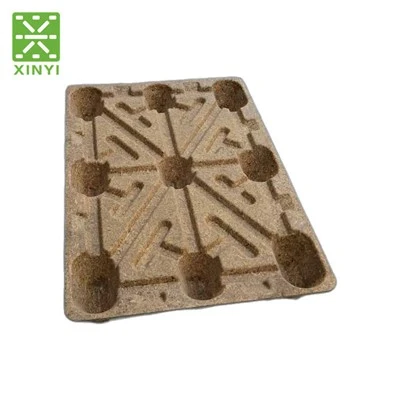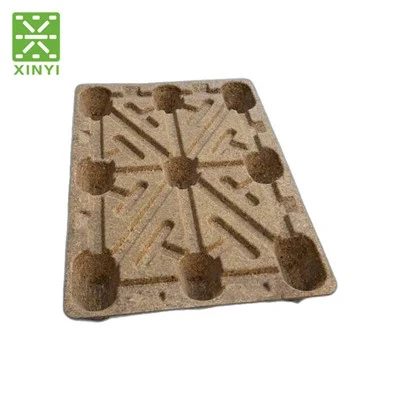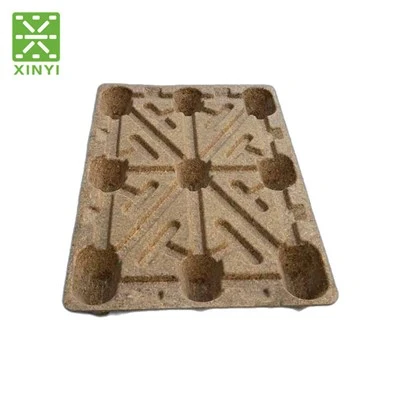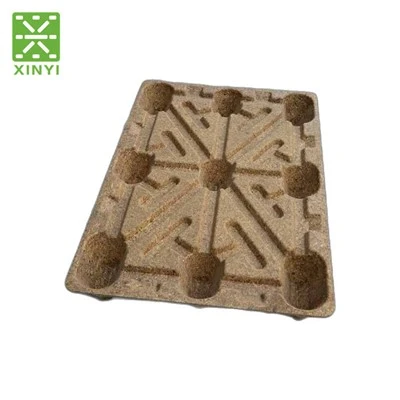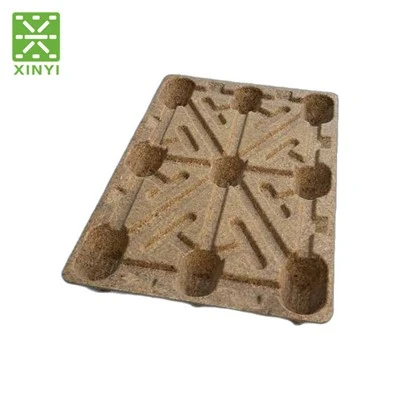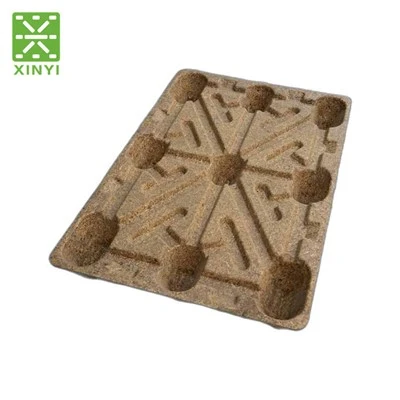

Core Design Philosophy for Industrial Logistics Pallets
Prioritizing Structural Safety
Centered on the principles of shock absorption, load-bearing capacity, and stability, the design utilizes Finite Element Analysis (FEA) to optimize stress distribution. Key load-bearing areas are thickened by 20%–30% and reinforced with ribs, achieving a balance between lightweight construction and high strength; this ensures a dynamic load capacity of 1–2 tons and a static load capacity of 4–6 tons.
Standardization and Versatility
Adhering to ISO 6780 international standard dimensions (e.g., 1200×1000mm, 1100×1100mm), the pallets are compatible with over 95% of forklifts, racking systems, and transport equipment worldwide, effectively eliminating operational barriers across the supply chain.
Adaptability Across Scenarios
Modular designs cater to diverse operational needs: double-sided pallets support stacking 5–8 layers high to maximize warehouse space utilization; leak-proof pallets limit liquid leakage to ≤0.1L/m²; and four-way forklift entry significantly boosts operational efficiency in confined warehouse spaces.
Green and Sustainable Orientation
Priority is given to recyclable HDPE/PP polymer materials over traditional wood to reduce deforestation. Additionally, the design minimizes environmental costs across the product lifecycle by extending service life and promoting circular sharing systems.